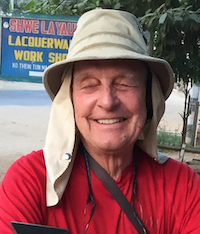
Fear & Coward
“The International Solo Traveling Coward”.
I. Preface: Jokingly, I often call myself a coward on my website and in my videos. I do so because during most of my life, and particularly before I went on a FIT foreign travel trip, many things scared’ me to one degree or another. So, I hyperbolically chide myself as a coward to coax myself into confronting & exploring the difficult or daunting challenges I have chosen.
II. Anecdote #1: my 1st fearful panic attack & my self-restored confidence
In 1995, after an Alaskan RV van roadtrip, I decided that in summer 1996 I would solo hike & retrace the Klondike Gold Rush seekers’s overland route from Dyea, Alaska to Lake Bennett in the NW Territories of Canada, THEN, the next morning I would begin my solo 750-800 mile paddle down the Yukon ’s headwater lakes & the Yukon River to Dawson’s Goldfield’s in the Yukon. My YouTube video: Lake Bennett, Yukon headwaters
The Chilkoot Trail is a 40 mile, multi-day hike up thru deep woods & abandoned gold-miner’s camps, to the steep, rocky scramble & then snow covered hike up the Golden Stairs’ over the fog shrouded Chilkoot Pass into Canada’s NW Territories and a lovely 2 day jaunt down hill past lakes to Lake Bennet. The very next morning I started my 600 mi kayak paddle down the Yukon’s headwater lakes & the Yukon itself.
Unforeseen, minutes after I began paddling the huge 4-6’ waves of Lake Bennett’s glacially scoured narrow channel between steep mountains, the lake’s powerful 20+ knot winds…. roared directly at me. I had not encountered such winds & waves before. In total unreasoned panic I paddled directly to the nearest shore and sat quietly, embarrassed at my own cowardice which I was unable to understand.
I sat for a half hour until I began a recitation of my quality equipment, past winter’s deep research, in-pool kayak trained skills & Teton National Park lake camping & kayaking practice I had done for this adventure. Besides, either I mustered the courage to go on or abandon my adventurous & practiced dreams like a craven coward. Slowly my confidence restored itself AND I once again paddled with confidence in sometimes equally risky conditions …. UNTIL ….
III. True Lack of FEAR: Some allege they have “no fear”: The eponymous sportswear company, "No Fear”, built a huge following by celebrating risk-taking, extreme sports (motocross, surfing, skateboarding, wakeboarding), with an unapologetic attitude toward failure or danger. Adopt our macho slogans & buy our sportswear to have the courage to fight or perhaps ignore fear. Great advertising, but a fool’s palliative denial of fear. Bravado does not equal knowledge & skills.
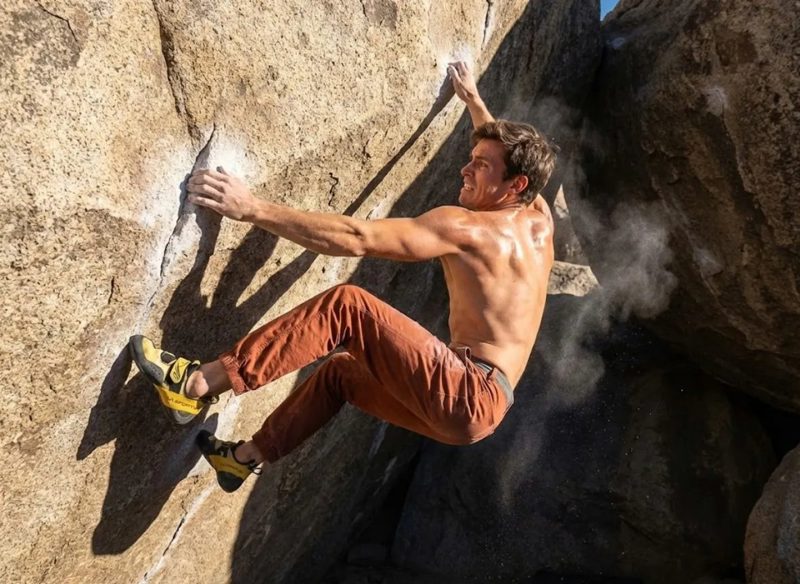
Grok suggest Only ~400 humans have little to no capacity to feel fear due to specific rare neurological amygdala damage. Curiosity, excitement, or indifference they may have, but never fear. (I think I have what fear they don’t use. LOL)
In my amateur opinion, most humans who allege ‘no fear’ of anything are either fools or have successfully grappled with & overcome the inherent fear with knowledge & skills. How else do we explain “free soloing” rock climbers (a free climbing subset), where the climber uses ONLY climbing shoes and chalk; no rope or protection gear. One slip, one mistake usually means death.
I am afraid of everything including my capacity for mistakes, UNTIL, …. I am not & even then ……
IV. MY Anecdote #2: my 2nd fearful panic attack & my self-restored confidence
After a week or so camping & kayaking down the headwater lakes & the Yukon River, I found myself in the middle of a more lake-like, perhaps ½ mi wide, junction of the Yukon River and Big Salmon River’s powerful water surge.
At this junction the Big Salmon river flushes its water almost directly into the Yukon’s flow and at my kayak, BUT more alarming than the powerful flood of current were the large half-submerged logs & tree roots as big as my kayak that I was unavoidably in the midst of as I had my 2nd panic attack..
My YouTube video: 2nd panic attack’s big logs & tree roots
I was too far from shoreline to frantically paddle to its safety. Irrationally, I briefly contemplated jumping out of the kayak & running to shore. Absurd, of course. (Religion notes only one such successful account.)
In retrospect, there was no great danger unless I let myself succumb to my panic. I had faced equally dangerous situations a several times on the Yukon’s big headwater lakes & up river, BUT none of that logic surfaced during my panic attack: — irrational & frightening with super-sweat body symptoms.
Soon, I began talking myself thru it, “ You have the best equipment AND you have trained hard for this.” I methodically, out loud, talked myself piece by piece thru my inventory of equipment & training” UNTIL finally, minutes later I was back in control, shaken, but never again so frightened until The Zocalo in Mexico City (another story) & never again since.
V. So, what’s the lesson?
“The only thing we have to fear is fear itself.” (Franklin D. Roosevelt)
IOW, fear can be more dangerous than the actual threats we face because fear generates excessive worry, panic, or paralysis which may do more harm than the problem itself.
What if I had become paralyzed letting the wind turn my kayak until the waves flipped me out of my boat yards from shore in a freezing cold lake?
What if I had pursued my irrational desire to ‘walk’ to the shore?
My recitation of planning & preparation confronted my fear somehow allowing my brain to regain the courage & clarity I needed to continue on.
In other words:
My real danger wasn’t the wind & waves, nor the big logs which I easily paddled to avoid.
It was my irrational fear that translated into panic, paralysis, & short term loss of confidence.
Conquering fear by recounting my equipment, skills & practiced training restored my ability to go on. Interesting Question: How or why did I come up without ‘talk-it-out’ solution? A hidden by-product of my research, training & skills? I am not sure, but it was spontaneous & it worked.
Grok Note (synopsis): Talking yourself through (or out of) a panic attack works primarily through cognitive & neurological mechanisms that interrupt your escalating fear cycle. Panic attacks are essentially a false alarm in your body's fight-or-flight system: your amygdala (brain's fear center) triggers intense physical symptoms (racing heart, shortness of breath, dizziness, etc.) even when there's no real danger. Your mind then often misinterprets & amplifies your fear.
VI. A More Academic look at Fear:
Fear is the most basic, survival-critical, universal, and evolutionarily ancient emotion that springs from our sense’s (smell, sight, taste etc,) perception of threats to our safety, well-being, or survival whether real or imagined, immediate or anticipated.
Our most primitive reaction is to recoil from that fear’s potential danger. Once we feel safe, we have 2 choices:
1) investigate to understand what we fear & hopefully discover it is not to be feared.
Example: a Harlequin Poison Dart frog can be deadly, while an Anna’s Hummingbird — not so much. ,
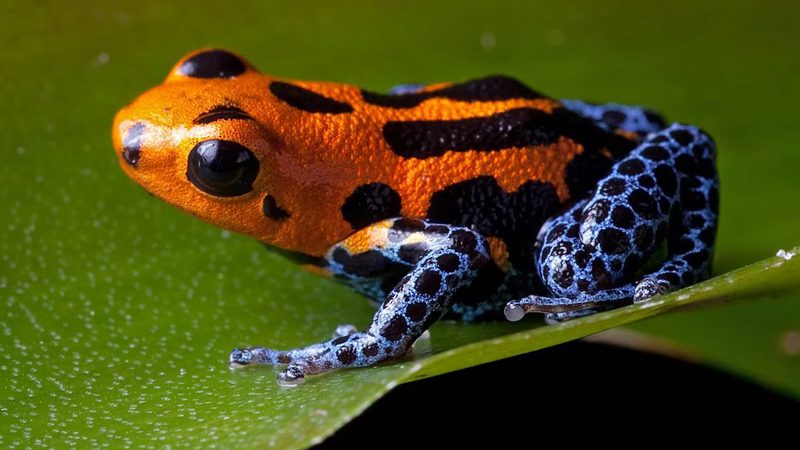
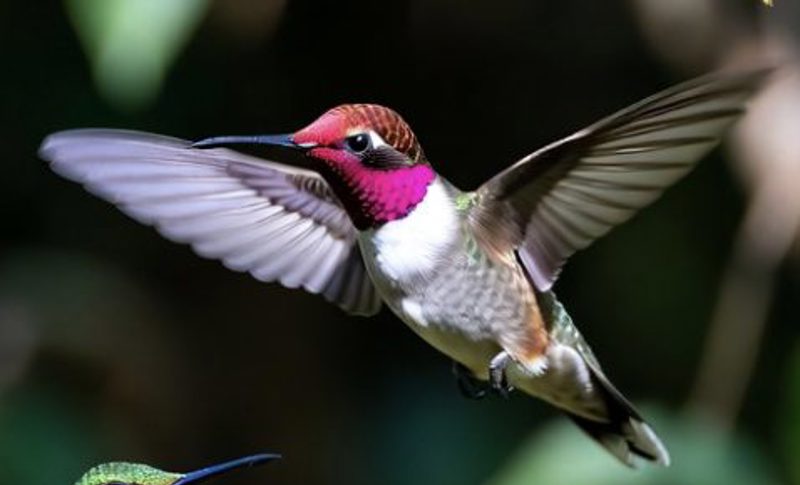
2) avoid it at all costs. BUT if we avoid it, we are always at risk of encountering it again before we can recoil quickly enough to avoid pain. (Think a snake ignored that strikes with lightning speed)
NOTE: I always wore full foot & calf hiking gaiters when hiking SW desert countrysides, but only snake proof gaiters really are safe. My bad ignorance.
Worse, we may miss the benefits offered by what we fear.
Ancient Example: Ebers Papyrus (circa 1550 BCE), & writings of Dioscorides and Hippocrates prescribe carefully controlled small amounts of poppy or Nightshade can offer pain relief, sedation, anti-inflammatory action, while higher amounts were lethal.
Opium poppy: used by Ancient Egyptians, Greeks, and Romans in tiny dosages as a powerful painkiller, sedative, & anesthetic during surgery or for other ailments.
Deadly nightshade: Extremely poisonous, but OK in small doses for pain relief, spasms, gastrointestinal issues, asthma, or as a sedative.
Modern Case: Deathstalker Scorpion, North Africa/Middle East, pale yellow:
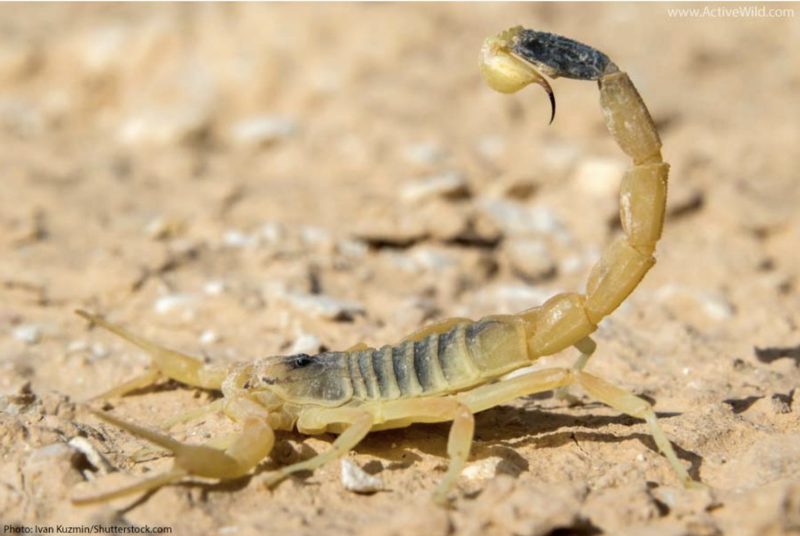
Danger: venom’s neurotoxins can cause death from autonomic overstimulation & cardiorespiratory failure.
Medical potential: venom’s chlorotoxin binds selectively to brain cancer cells but not healthy ones enabling surgeons to visualize & remove cancer brain tumors precisely.
“The choice to avoid risk is the choice to avoid living, and to avoid living is one of the greatest risks of all.” (Anonymous)
“Face fears 1st”
Procrastination’s fear has always been my companion. Seems so easy to just ignore an issue or serious challenge. A few decades ago when I was afraid of something (maybe a ½ million dollar loss from my ignorant /arrogant stock market blunder),I posted a small sign on my Roadtrek RV van’s cabinet door, condo’s bathroom mirror and office wall.
“Face Fears First”
It reminds me NOT to procrastinate, but to quickly face my most important fear 1st, & the rest shortly thereafter, … so that … as Frank Herbert, suggests in Dune “….. I will face my fear. I will permit it to pass over me and through me. And when it has gone past I will turn the inner eye to see its path. Where the fear has gone there will be nothing. Only I will remain.”
For years I have literally visualized my ‘fear’ passing through me leaving an empty transparent tunnel where it passed thru & out of me leaving me less afraid, calmer.
Anecdote: Late 1 night in my 30s, I awoke sitting upright in bed after a bad dream: 'I could not pay my bills.” I panicked, jumped out of bed, sat at my desk, wrote down all the bills I had to pay, & then allocated a % of my available cash to each bill. Next day I called all my creditors told them my plan to pay. They all agreed.
At 84, with an 8 figure net worth, I still dream at least once a week that I don't have enough cash and don’t know where to get some.
Or, an even more pragmatic tactic ——
“Replace fear of the unknown with curiosity.” (Unknown)
TIP: If you allow yourself to perceive something mildly uncomfortable as a barrier, you are ‘stopped’, you lose the opportunity for a ‘different, perhaps more interesting’ experience. Besides, IMO, mildly cowardly. . OTOH, if you accept & adapt, it is just a different challenge among the many you will face in your life.
VII. An even more academic viewpoint:
Fear & our reaction to fear are on 3 separate continuums:
A. ’Fear’ Continuum:
‘Fear’ is on a continuum between “What can kill you!’ vs. "A loose mosquito in my bedroom.” All living things are on this continuum whenever & wherever they are.
Fear Continuum
◀︎ What kills you?— everything in between— mosquito ►
B. Reaction continuum (Aristotle’s):
Our reaction continuum describes how we react to our fears placing recklessness at one end and cowardice at the other end. Aristotle considers both traits as very objectionable character defects!
Reaction continuum
Recklessness — courage —- cowardice
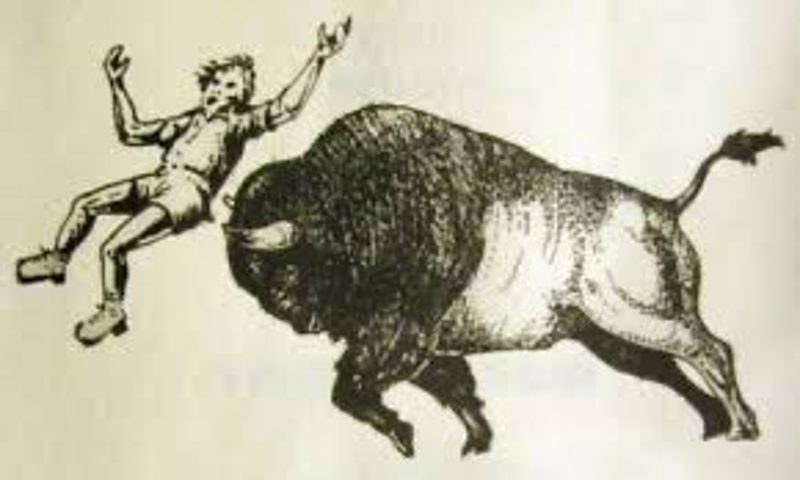
Recklessness is a conscious disregard for danger, consequences, or risks: e.g. getting too close to Yellowstone NP buffalo, or too close to Australia’s south coastal Great Bight cliffs edge, or single & drunk in a foreign tourist bar.
Cowardice, OTOH, is fear’s unreasonable, almost shameful or disgraceful excessively cautious fear leading to complete avoidance or flight.
C. Courage continuum:
Embedded within our reaction continuum is our “courage” continuum.
The central ‘courage’ portion of our Reaction continuum describes the range of prudent reactions we should have toward our fearful challenges. This continuum’s end points never get even close to the recklessness or cowardice ends of the reaction continuum.
Courage is perhaps best described as prudence or prudent caution IOWs, wise, reasoned carefulness to avoid unnecessary risk. It is a positive, wise, virtuous character trait aligned with prudence’s thoughtful restraint, risk assessment, and "calculated caution" — the middle ground between recklessness and cowardice.
Anecdote: Crossing Saigon’s scooter jammed streets: A decade ago Saigon’s congested main city streets were jammed with a near constant flow of scooters with an occasional truck or car. When they stopped for a traffic light, if they did, they become a near impregnable mass … impractical to cross through them. So what do you do? Here’s how!
When standing at curb’s edge with the scooters at full speed, you look for an opening and step off the curb into their path and start walking straight ahead. You don't look at them, you don’t speed up or slow down — you keep walking at a steady pace to the other side.
When you watch others cross you will notice that the scooter drivers are very adept at gauging your pace and flowing around you at speed. I think I saw one accident between 2 scooters, but not pedestrians.
Oh, and by the way, if walking a sidewalk and going around the corner of a building, stop and look around the corner first because scooters used the sidewalk just like the road.
TIP: If possible walk on the downstream side of an old Vietnamese lady. Nobody would dare hit her? I have done this.
C. My proactive Courage Strategy:
Often, my trip’s or adventures (Myanmar, solo Chilkoot Trail hike & solo Yukon River kayak) may seem like spontaneous boldness, but in fact my trip’s are intensely researched, thoroughly planned, mentally role played beforehand, and if possible, tested & practiced.
Anecdote: Preparation: Chilkoot Trail & Yukon River trip: In preparation for this trip I deeply researched the Chilkoot Trail’s & the Yukon River’s Klondike Gold rush history & route from Alaska thru Canada’s NW Territories to Dawson Town’s gold rush on the Klondike River.
I endlessly researched, purchased and practiced with the equipment & clothing I thought I would need including:
a) kayaked for 1st time on a 3 day overnight kayaking tour in Seattle area,
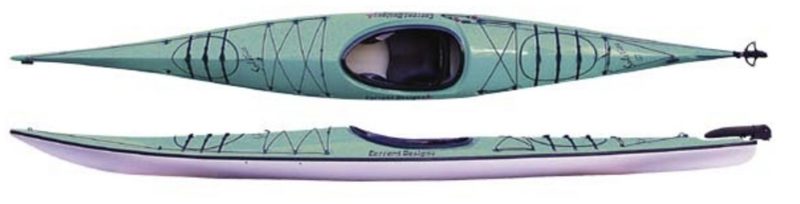
b) researched & bought a high quality Current Designs Expedition kayak, paddle, PFD (personal flotation device), marine compass, emergency floatation system.
c) water proof food bags and enough dehydrated food to feed all the 1st Nations Canadians on the Yukon River.
d) Took an in-pool kayaking class for several weeks
e) Read every book I could find that gave depth & flavor to this epic 1896 Gold Rush. **
f) Read Robert Service poems endlessly & Jack London stories for their ‘Yukon’ flavor.
My YouTube video: . Robert Service poem
g) Bought, after investing, in a high tech combination sleeping bag, air mattress and mosquito proof tent.
h) Assembled, tested & practiced with all the equipment I was taking including a survival saw for firewood if my stove broke down.
i) Practiced packing my backpack and packing my kayaking equipment so it all fit & was easily retrieved when needed.
j) Practiced on several early spring overnight camping & kayaking excursions on Teton National Park lakes.
** [Pierre Berton renowned Canadian historian: 1)Large-format photo book: The Klondike Quest: A Photographic Essay, 1897–1899 &
2) a Straight narrative book: Klondike: The Last Great Gold Rush, 1896–1899]
D. My Foreign Travel Itineraries:
My later Itineraries reflect my slowly evolved knowledge & experience FIT Travel knowledge & skill base. Those itineraries epitomize my thorough research & planning in preparation for a very intense deep dive immersion into the Travel Bud sites, activities & cultures AND the logistics (transportation, lodging, etc.) of my host foreign country required to achieve my deep dive cultural immersion: My Ecuador Itinerary is my last & a good example before prostate cancer Foreign Travel Itineraries: https://scottsolotravels.com/travel-resources/travel-writings/foreign-travel-itineraries/
What truly drives me forward in iffy situations is my confidence that I have acquired the knowledge & skills, and a mix of strong commitment, grinding grit, and the tenacity to fulfill the vision I want to achieve.
All these fear-continuum limits — recklessness, courage & cowardice— vary amongst all humans and foreign travelers because each of us has a 1) different knowledge base & skill set, & 2) different life experiences.
E. My prime fear control/solutions have always been research & testable experience. Research easily eases most fears particularly in today’s Internet world of Grok, Google & Youtube. Everything I research is inspired by my fear at some level until I have diluted that fear with pro-active research and practiced training etc.
1. I may be mildly anxious about how I’ll get to my Cairo hotel, until Rome2rio gives me several options from which I select the most ideal based on my desired travel mode, departure time, & cost; info which I then build into my itinerary. Anxiety erased. On to next the next ‘fear’ item……….

Anecdote: Saigon’s (Ho Chi Minh City) guest house with no kitchen: How do I eat dinner in Saigon? Issue easily answered by the throng of tourist restaurants on Bùi Viện Street (aka "Backpacker Street) a few blocks away.
2. I may be very concerned about hauling my rolling bag up several flights of stairs AND about climbing in & out of an upper dorm bunk bed at 70+ years, with 2 new knees & a very bad back making it dangerous.
Serious issues, while rare, can generate considerable fear and must be dealt with serious devoted research, planning, imaginative & pro-active solutions.
Anecdote: Dangerous Guatemala City’s downtown: Warned by locals that Guatemala City center was dangerous, with van filled with gas, doors & windows closed & locked, I drove straight thru timing my speed to match the green traffic lights. Coincidentally, a man was beating a woman on the down town sidewalk as I drove thru. The danger seemed electric.
Anecdote: Bottom bunk & Luggage assist request: After I had booked my dorm bed online,
a. I would immediately contact the hostel by email giving them —
1) my booking number, and
2) advising them of my physical condition,
3) admitting up front that I knew their policy was not to pre-assign beds,
4) & ask if they could make an exception in my case.
b. In spite of their usual disclaimer,I was never refused. Thanks staff!
Anecdote: Bottom Bunk Reserved note: In one instance, staff actually made the effort to place a hand written note on MY bottom bunk reserving it for me. Thanks.
Anecdote: Arriving at the ground floor of my hostel on a 2nd or 3rd floor, I would cable-lock my rolling bag to the 1st floor bannister etc. Then walk up stairs to check in and ask staff if they could please help me haul up my bag. They always graciously assisted.
A woman staffer and I would each grab one end of my rolling bag. On other occasions, young macho men would simply grab my bag with great machismo, throw it on their shoulder and bounce proudly up the stairs.
Anecdotes (about others, not me):
Anecdote: Lost Passport: In Quito, Ecuador, a young man lost his passport & spent all of several days getting a replacement so he could fly home totally destroying his travel experience.
Grok Note: (synopsis): Lost U.S. passport in e.g. Vietnam, process involves getting an emergency limited-validity passport from U.S. embassy/consulate to return home. Hassle level: moderate to high; requires in-person visits, & US & local Vietnamese authority coordination done in a few days to 1-2 week, but delays can happen. Protect your US Passport at all costs Please SEE: Soft Crime: https://scottsolotravels.com/blog/safe-5-soft-crime/
Anecdote: Stolen Camera: Young woman had her expensive camera camera stolen on the Colombia to Quito, Ecuador bus when draped over her shoulder while she slept even tho such bus theft was well documented.
Anecdote: dog bite’s rabies: In Bangkok, Thailand: a writer couple I met had just flown in to Bangkok for rabies shots for a dog bite received in southern Thailand …. ruining that part of their travels. Know how to protect against vicious dogs.
3. Unforeseen Travel Risks: I may be completely unaware of some travel issues large & small because :
(1) Too difficult to fully research: Sometimes further research was too big & cumbersome a research effort vs just ‘winging it.’
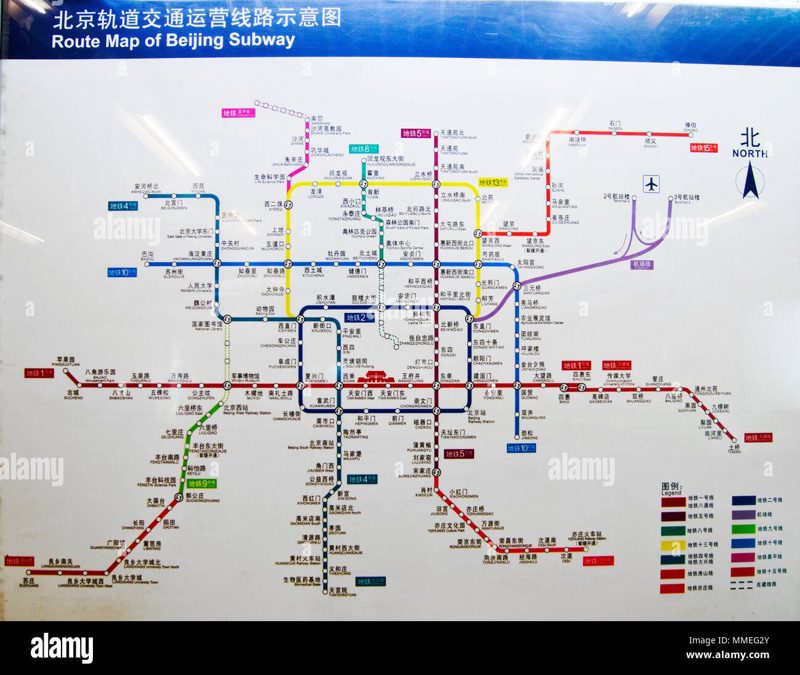
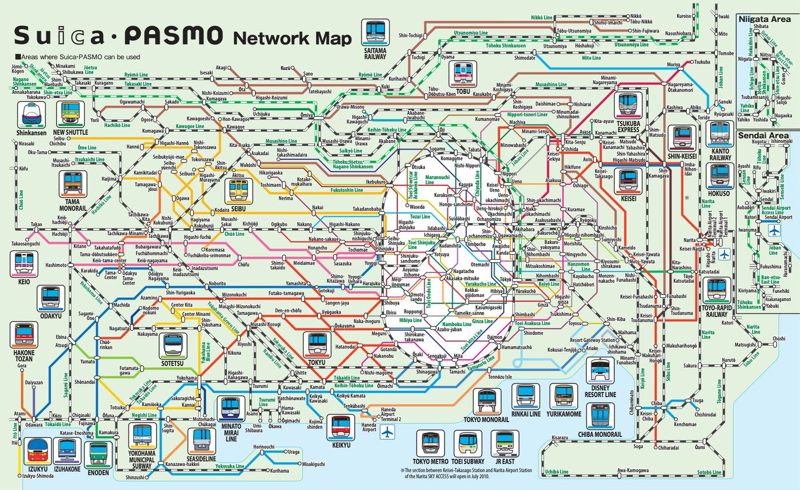
Anecdote: Tokyo’s spaghetti-like metro system: Tokyo’ metro system is so complex you could write a doctorate thesis on its navigation. Better to get there, ask advice & ‘wing it.’ Which I did. …..particularly compared to Beijing’s simple multiple overlapping loops & out-stretching routes.
Anecdote: China’s Tiger Leaping Gorge’s overnight hike: ‘Yunnan Roads’ credit
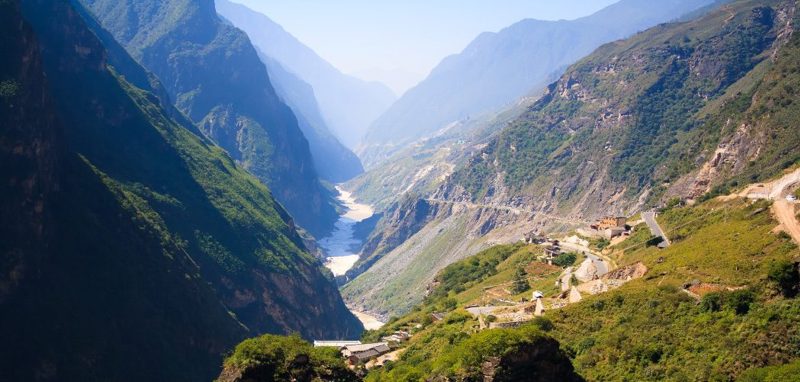
The 1st day’s 14 mile hike with loaded daypack is from Jane’s GH (now closed) up steep switchbacks to the long sweeping portions high above the Jinsha River for 8 hr hustle to Tina’s Guest House, … possibly hiking after dark.
I researched & pre-booked Jane’s GH near the hike’s trailhead, and may have been able to pre-book Tina’s GH, but my ability to do the hike was always a dicey question when I had never done that hike before.
Tiger Leaping Gorge
I just boldly assumed I could make the hike & ignored researching alternative places to stay. I arrived a Tina’s GH just as darkness set in. Whew!!!.
4. Unforeseen Opportunities: Sometimes, in spite of my deep research, I don’t know a travel opportunity even exists until I serendipitously stumble on it. Happens a lot which is why I always include a great deal of unscheduled free time in my trip’s itinerary.
Anecdote: China’s Great Wall’s ‘wild’ spur wall sections: I didn’t know they existed until I ran across one. …. unrestored, crumbling, officially closed-off , but not explicitly fenced or guarded, but access is impliedly prohibited.
Occasionally, I dropped down a few feet from a tower window to hike those 'no access' spurs. I wasn't the 1st, but I saw no others. I was extremely cautious where the narrow bushy trail had broken away downhill. I enjoyed the cautious thrill of going carefully where most did not.
5. Foreseeable Risks:
Will my smart phone’s battery die unexpectedly?
Will pickpockets get ALL my money? Safe 5: Soft Crime
Will I get stomach sickness in Lijiashan, China’s remote little mt. village? Travel Health
Can I still physically hike down a steep Swiss mountain?
Will I get lost in a Bangkok neighborhood seeking a traditional home?
Will I miss my bus?
How do I avoid tainted food?
Can I eat salads in Asia?
VIII. TIP: My Basic Info Back Door Strategy: Yes, I know your Smart phone has all the travel info you need & Starlink should make everywhere Internet accessible, BUT what if “No cell service.” ???? Or you lose phone? Or its battery dies?
A wise traveler & all other wise folk “Hope for the best, but plan for the worst”, but the wisest people (travelers) always have a ‘back door escape route’ from potential risky or unforeseen circumstances.’ That is why you car has a spare tire & auto insurance. Why you carry a rain jacket when skies are cloudy?
When I am traveling to a site or town or hiking in remote areas, I try to always have the basic info I will need to arrive or return safely. I write down info simply & clearly on paper I can carry in my pocket so I can clearly advise any host country folk where, when & how I am trying to get somewhere.
My info has a standard 2 column format: English on left side and Host language translation on right. I ask host language speaking hostel staff to fill in the right side.
I prepare my written format with English part before asking someone to translate so easy to do. I use a similar format all the time, so I am not reinventing it.
1) Your hostel info: Name, address, phone, email
2) TO Destination:
a) Name,
address, phone, email
b) Number of people (if booking tickets)
c) Departure Date & time:
d) Return Date & Time:
e) Any specific info: a) age discount, b) window seat, c) 2nd class seating, etc
Anecdote: Really 'lost' in Rome: On my chaperone’s student trip to Rome, I temporarily got separated from my guide & group in a main square. I panicked until after a while I looked far down a road leading away from the square & saw them going away. Why panic? I didn’t know our hostel's name or how to find it. I still have bi-monthly dreams of being lost in a foreign city with no cash & no idea how to get back to my lodgings.
Anecdote: In Varanasi, India my cell phone battery died when I was trying to use Google Maps to navigate thru this cacophonous chaotic dense city back to my hostel whose name I could not remember. Duh!.
My Solution: I started wandering the streets in ever-enlarging concentric circles until I finally found the main street I recognized and could then navigate back to my hostel from there. Unnerving, but not too scary. I ALWAYS carry basic info on paper in my pocket because often: ‘It ain’t Kansas anymore.’ (From the ‘Wizard of Oz’ movie …. for the culturally deprived.)
The End
Subscribe!
Join my mailing list to get new content notifications.