
Emergency Toilet Kit
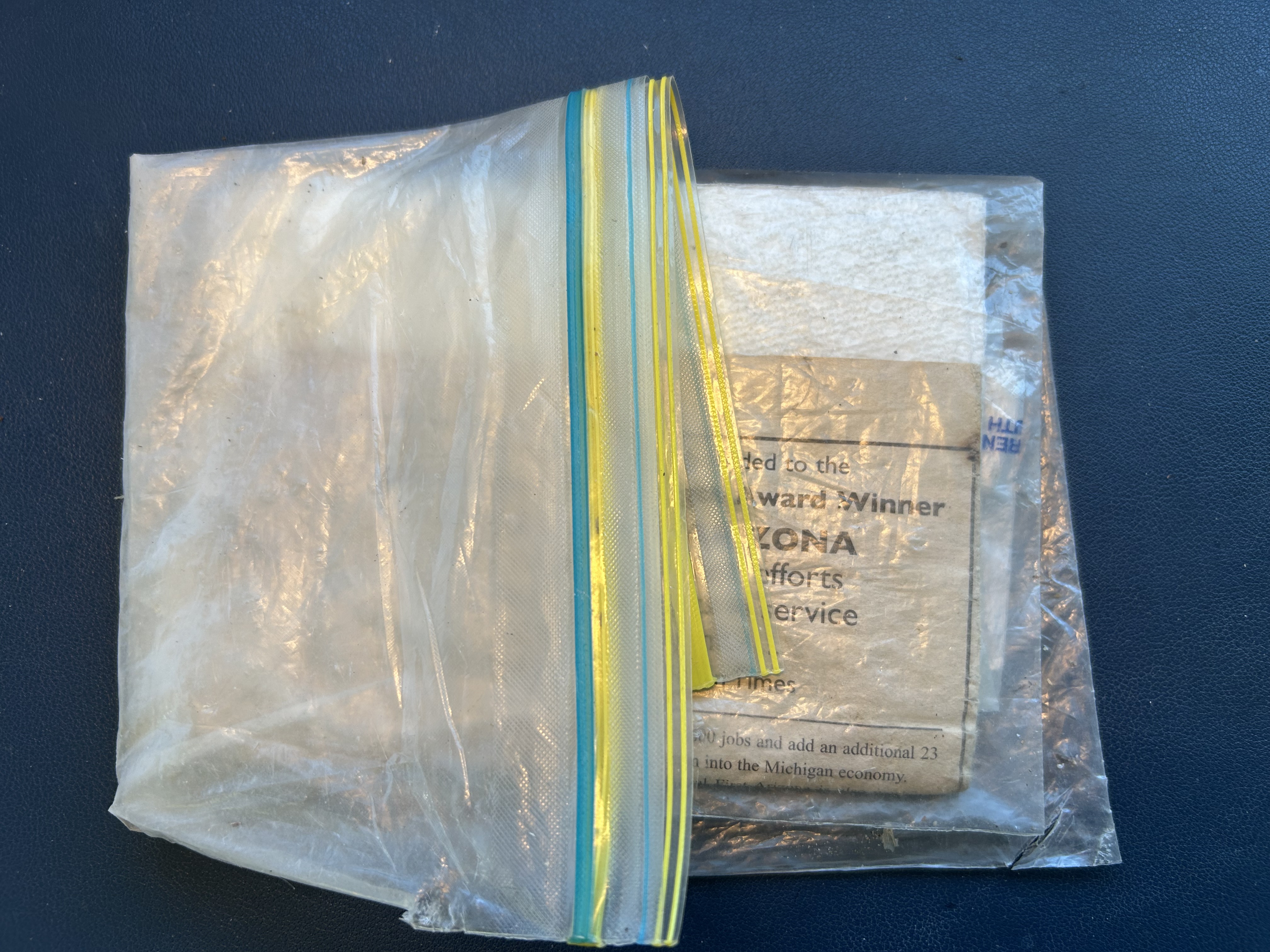
EMERGENCY TOILET KIT
BACKGROUND: Into my 50s, my body would give me an hour or more advanced bathroom warning. I even had some pro-active control. In contrast, in my 60s and 70s, body would simply comand, "You need to find a bathroom ASAP: 60 seconds, 59, 58, 57, etc." If I failed to conform to its command, it would not be pretty. It had happened before.
My Antarctica small ship cruise research clearly warned that once we left the mothership in our powered inflatables to go on shore amongst the seals, I was no longer allowed to go to the bathroom (#2). I knew my body wouod be UNimpressed. I needed a solution because I WAS going onshore amongst the seals.
In my late 20's I car camped in my Suburban sometimes serreptitously in cities at a tire store, my insurance company 's local office, etc., BUT WITOUT a bathroom. 20 + years later in New Zealand I solo traveled in my retrofitted small station wagon ... also without a bathroom.
My solution evolved naturally. Take a 'dump' on a piece of newspaper wrap it up carefully & secure in a plastic Ziplock baggie for disposal next morning. Worked well. So, I was not clueless.
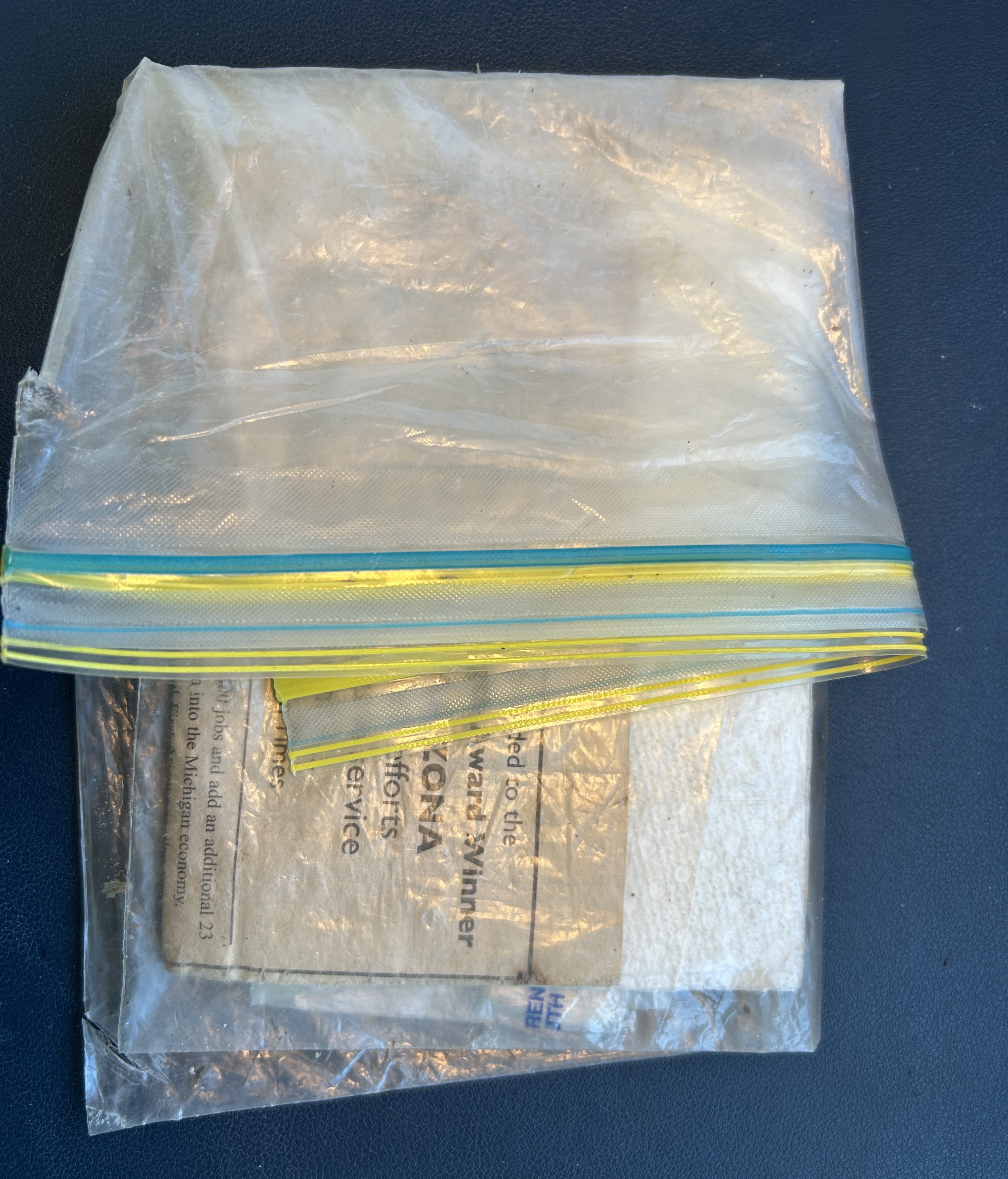
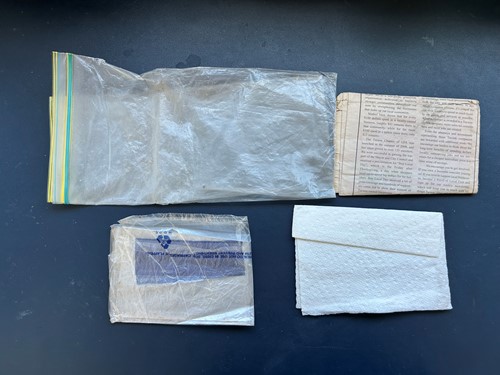
I created 2 complete emergency toilet kits for my travel to Antarctica. While I did not need it to Antarctica, I carried these two emergency kits in my day pack, even onto today where I found the last one pictured here..
KIT's Contents:
1. Newspaper: on which you make a 'dump.'
(Notice: I am trying to be demure for the scatalogically sensitive)
2. Toilet paper
3. Small Baggie to hold wrapping newspaper
4. Larger Baggie to hold all contents for later disposaL
Day Pack Storage Location:
Inside the thin,wide pocket entered at very top of day pack. I also store my computer in that pocket.
;on;ojn;n;ojkn
What are Hostels?
When beginning your free independent travel (FIT) journey, one of the most crucial factors to consider is where you will stay. It is important to find accommodations that are affordable, comfortable, and culturally-immersive so that you can make the most of your solo traveling adventures.
Hostels are a budget-friendly lodging option for FITs that allow for a greater sense of community. They offer a gathering space for fellow travelers in shared dorms or single private rooms, relaxing common rooms, and fully equipped kitchens. Hot showers, DIY laundry, and long-term bag storage are also available.
They were initially designed as a place for young backpackers to find inexpensive lodging, and cheap buildings were converted into simple, shared spaces to welcome these young travelers. However, hostels have evolved over time, and they now include a much wider range of options for beds, rooms, activities (cooking classes and specialty guided tours), unique amenities (travel desks, security safes, and personal in-room lockers), and various groups.
Today’s hostels vastly exceed the basics to offer more comfort without losing the benefits of shared spaces. Common modern hostel features include:
- Accommodation of all ages (excluding the very young and unaccompanied)
- A communal dining area
- A communal kitchen
- An inviting common room
- Bathroom options: in-dorm, in-private room, and common bathroom facilities
- Extensive amenities: (see above)
- Options of dorms with 4, 8, 12, or more beds
- Room options for singles, couples, families, and school groups
Affordable Accommodation
Staying in a hostel allows you to experience cost-saving and community benefits that are not available with other kinds of lodging. You can share spaces and amenities and save money while making connections with fellow travelers.
Hostels dorm beds typically cost around $10-60 per night depending on the popularity of the location or city. This “saved money” increases your travel budget for more travel sites and experiences.
Shared kitchen amenities can help you significantly cut down on expenses. You can cook meals from ingredients shopped at local markets, which is more cost-effective and fun, while you mix with other travelers and their food. It is a great alternative to eating out for every meal.
Even if your budget allows for more, try traveling poor. Having this mindset means living as if you have less money than you actually do when traveling so that you can “taste” the host culture during your travels. This can help you extend your adventures, opening the door for you to take more trips in the future with the money you have saved. Most importantly, it allows you to experience other cultures on a much deeper level.
Hostel Amenities
Though hostels can help you save money, you do not have to sacrifice your comfort levels when staying in one. A wide range of amenities are available in modern hostels that can enhance your FIT experience.
Common hostel amenities include:
- Currency exchange
- Day tours and walking tours
- Laundry services
- Secure luggage storage
- Security, often including in-room/dorm individual lockers
- Special events such as cooking classes, movie nights, etc.
- Travel desks:
- Washers and dryers
- Wifi (free, of course)
Social Connection
One of the best features of hostels is that they foster a sense of connection among all travelers. Through communal spaces, group activities, and shared experiences with others, you can get to know people from all over the world and share exciting travel adventurers, novel travel tips, and camaraderie.
Striking up conversations in common rooms, joining organized events, or bonding with others over group meals are great ways to connect with other people. You can also choose to go on day trips or grab meals out with dorm-mates or other FITs you cross paths with.
During these activities, you can trade tales and gain advice from more experienced travelers. You might even end up making friendships that last far beyond your trip.
In addition to the friends you can make during your stay, hostels typically have friendly, bilingual staff members who are familiar with the area and are happy to answer any questions you might have.
Cultural Immersion
A huge perk of FIT traveling is that it allows you the chance to actually experience other customs, foods, ideas, and sites. However, the more you rely on guided tours, big bus tours, or cruising, the more you miss the immersion in the host country's culture that you traveled there to experience.
Tourist activities such as bus tours and cruises often move too quickly for you to have the chance to really engage with the local area. These tours often create experiences that are presented as culturally authentic, when this is not actually the case.
For example, a tour might include a stop at an “authentic restaurant,” but this restaurant might be catered specifically to tourists to give them an Americanized version of the experience they are seeking.
On the other hand, hostels immerse you in local culture through diverse guest encounters and proximity to authentic neighborhoods. You can enjoy fresh local food, explore nearby sites, and enjoy flexibility in your days away from packaged tours.
Authentic Travel
Traveling authentically means seeking experiences that can help you better connect with history, the daily life of locals, and their culture. It involves reaching beyond the things that are easily accessible and looking for ways to probe or look “around the next corner.”
The best thing you can do throughout your travels is to keep an open mind. Exploring a lesser-known area, trying a new food, or having a meaningful conversation with someone who lives in the area can teach you a lot and surprise you. Learning how to travel authentically like this can help you connect more deeply with the people and places around you.
Be willing to embrace each experience with a willingness to gain something new- a new perspective, a new idea, or even a new friend. As you fully embrace different cultures and try new things, you may even find yourself on adventures that change your life.
More Tips for Free Independent Travel (FIT)
Before staying in your first hostel, make sure you do the proper research to prepare for your stay. Pre-booking your trip or even the first few nights can ease travel anxiety, especially if it is your first time traveling independently. You will also want to make sure you always carry key hostel information, such as the confirmation number, address, contact numbers, and more.
As you get ready to embark on your first adventure as a FIT, there are many resources available to help you get ready. Explore more FIT tips and stories today so you can prepare for your first hostel stay.
Subscribe!
Join my mailing list to get new content notifications.